7TH ANNUAL
DAYBREAK TO DEAD-OF-NIGHT HUGO FILM FESTIVAL
Cowpokes & Frontiers
A Note on the Official Selection
The spark for this year’s theme and selections comes from John Wayne. Now, I was already aware of John Wayne’s reputation as an archconservative, racist, and a collaborator with the House Un-American Activities Committee, but it was a surprise to me that the actor who is probably most associated with Westerns, also held a loathsome opinion on High Noon (1952) (which The American Film Institute ranks as the 2nd best Western of all time):
“Everybody says High Noon is a great picture because Tiomkin wrote some great music for it and because Gary Cooper and Grace Kelly were in it. So it's got everything going for it. In that picture, four guys come in to gun down the sheriff. He goes to the church and asks for help and the guys go, "Oh well, oh gee." And the women stand up and say, "You're rats. You're rats. You're rats." So Cooper goes out alone. It's the most un-American thing I've ever seen in my whole life. The last thing in the picture is ole Coop putting the United States marshal's badge under his foot and stepping on it. I'll never regret having helped run Foreman out of this country.”
This quote from an infamous interview with Playboy in 1971 got me thinking, if John Wayne has this low opinion of High Noon, ‘what other Westerns would this guy just hate?’ And I found the idea of a list of great Westerns that John Wayne would despise (for his shitty political reasons) very amusing. Rest in piss Marion! (Read this brief article if you still aren’t persuaded that he sucks.)
So, naturally, I went around looking for Westerns that featured feminist, queer, leftist, and diverse (Black, Native, Hispanic, Asian) protagonists or points of view. I wanted to see pushback against hegemony and conformity. I began by searching for Western subgenres that subvert its traditions. I guess it’s not really a subgenre (not listed on Wikipedia at least), but I started with Queer Westerns. Having already seen the most famous example, Brokeback Mountain (2005), I found a couple of others like Lonesome Cowboys (1968) and National Anthem (2023), and a few others that only hint at queerness, including Red River (1948) (a good thing John Wayne didn’t understand subtext), Calamity Jane (1953), and Johnny Guitar (1954). BFI has a list.
I bounced around after that based on different discoveries, and some quick searching led me to several Acid and Revisionist Westerns like Monte Hellman’s The Shooting (1966), Ride in the Whirlwind (1966), El Topo (1970), Walker (1987), Dead Man (1995), and another title my father-in-law told me to check out, the now out-of-print Zachariah (1971). These titles would end up serving as a kind of skeleton or outline to build out from.
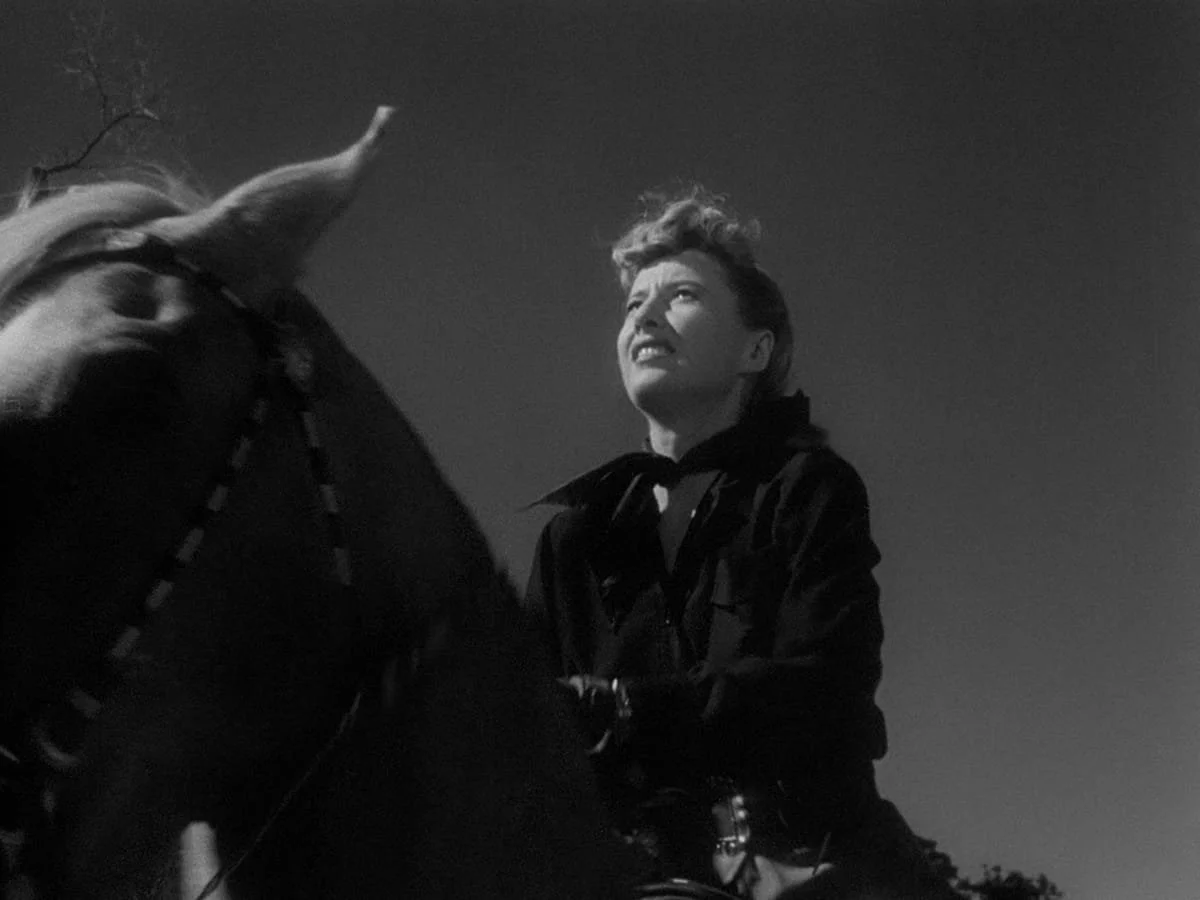
High Noon (1952) was serving as a locus for the earliest period of film I wanted to examine for my lineup; roughly 1940-1959. I looked around for other films from this time period that could also work, and as usual, started with the Criterion Collection. The earliest was 1939’s Destry Rides Again, a comedy about a deputy sheriff (James Stewart) who hates guns. Forty Guns (1957) starring Barbara Stanwyck as the boss of a posse going head to head with the new Marshall, is an example from the later end of this period. With too many interesting films in-between to mention them all here, I ended up being captivated by an earlier Stanwycyk-starring film, The Furies (1950), a Western melodrama about a strong-willed daughter fighting her father and anyone else for what’s hers. While Forty Guns might seem like the more feminist film, Samuel Fuller, the film’s director conceded years later that the ending was overly conventional (allegedly due to studio pressure), and deemed it “unsatisfactory” after the bold narrative that precedes the finale. Whereas, The Furies, despite portraying more “domestic” concerns, may provide us with something slightly less traditional, while also providing a welcome tonal departure from some of the other movies on the schedule.
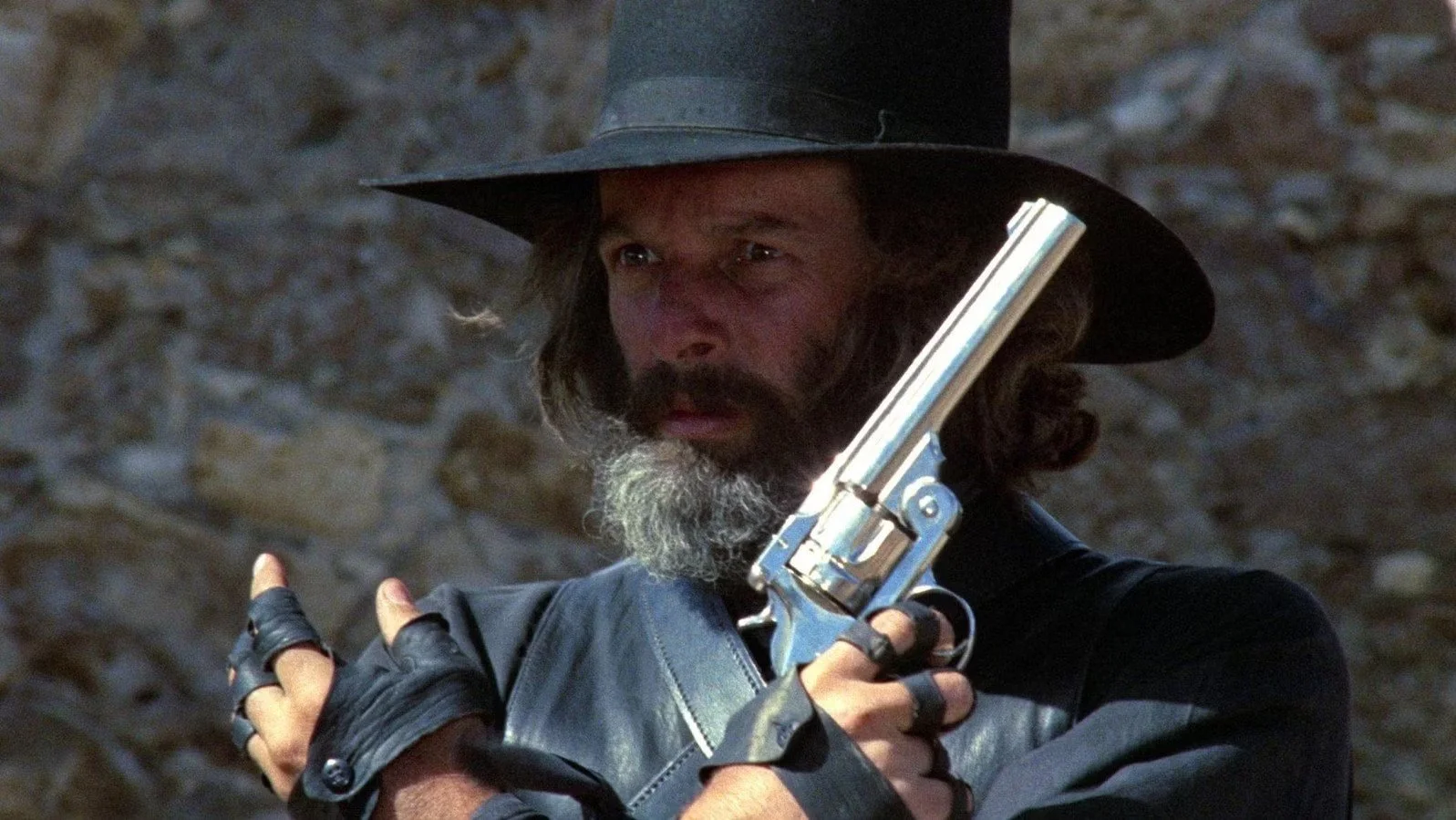
With the starting point out of the way, I knew exactly where I wanted the night to end. Having never seen a Jodorowsky film, but being well acquainted with his comics, this was the perfect opportunity to finally watch his surreal cult western, El Topo (1970). I’ve often saved the last slot in the schedule for challenging films (Belladonna of Sadness (1973), The Neon Demon (2016), Showgirls (1995), Climax (2018)), but I now have the opportunity for the midnight movie to be THE midnight movie. And if TL;DR, basically the first guy to screen the movie for general audiences was only allowed to show it after hours, it was a big hit, and generated a cult following, and this experience led to continued midnight movie screenings, and this was likely the start of the whole midnight movie culture. If you need to know beforehand what you are getting yourself into, this site seems to have you covered.
Next, I wanted to make sure I deliberately made room for a female director (you may remember that no such films were selected until the 4th year of the festival). There are two films that I’m very excited to watch, Meek’s Cutoff (2010) by Kelly Reichardt, and The Power of the Dog (2021) by Jane Campion. Both movies subvert the Western in their own way (no spoilers). Kelly Reichardt is a director that I want to like more than I do ( I’ve only watched Old Joy (2006) and Wendy and Lucy (2008), but both the descriptions of her films, and the accolades they garner keep me wanting to come back and try again. Take these two quotes about Meek’s Cutoff, and tell me your interest isn’t piqued:
“Taking for granted that Westerns have functioned consistently and predictably to reiterate or repudiate our collective mythologies about American values, masculinity and race, Reichardt’s contribution represents a significant upheaval.” - Screen Slate
“Reichardt strips away the sentimental psychology of the woman's movie as ruthlessly as she undercuts the hypermasculine romance of the Western.” - Ella Taylor for NPR
As for Jane Campion and The Power of the Dog, she’s a director I’m both more familiar with, having seen four of her feature films, and more positive on, both The Piano (1993) and Bright Star (2009) are amazing films (Sweetie (1989) is good too, but In the Cut (2003) is just ok). I never got around to watching The Power of the Dog in 2021 despite its nominations for Best Picture and Best Director (Campion won). The Hollywood Reporter’s film critics listed it 15th on their "50 Best Films of the 21st Century (So Far)" list, saying it is a “...brilliantly uncomfortable chamber piece about corrosive masculinity fed by sexual repression […] a psychodrama whose epic scope is echoed in its majestic landscapes.” But a woman and a Kiwi, can’t just make a western without ruffling a few feathers either. Renowned actor (and western aficionado), Sam Elliott felt the need to share with Marc Maron what he thought of it, as reported by Variety:
“Elliott called the film a “piece of shit” and seemed bothered by how the film deconstructs classic Western archetypes such as cowboys. Elliott compared Campion’s cowboys to Chippendale dancers who “wear bow ties and not much else.”” - Variety
That’s some bullshit John Wayne energy right there. While The Stranger is a man of wisdom within the confines of The Big Lebowski (1998), I’ve made myself clear about what I think of these old timers and their hang-ups. Move along dude, your bad take only makes me want to watch it more.
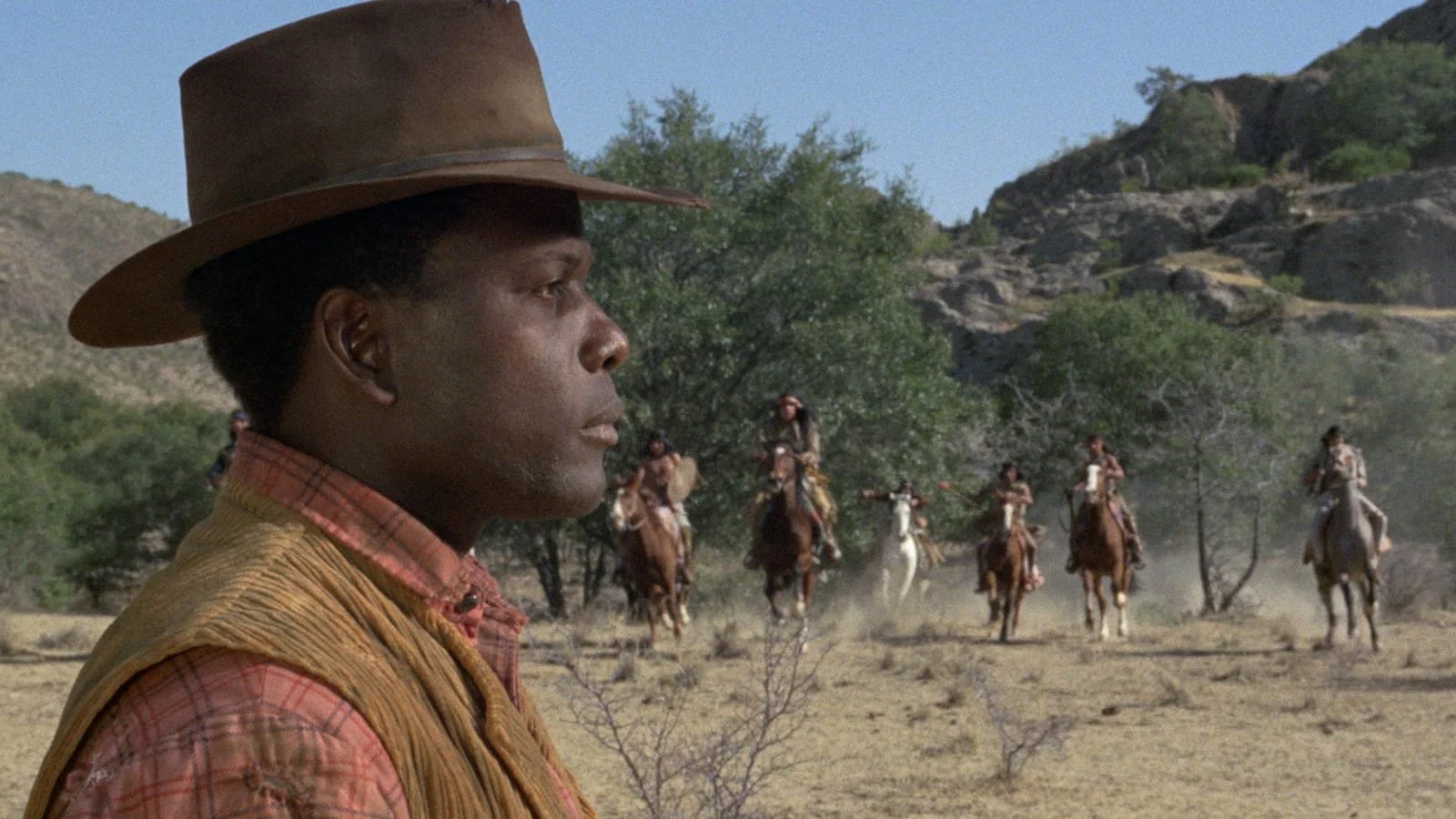
As for black directors (another often overlooked demographic in my lineups), I had already known about Sidney Poitier’s debut feature film, Buck and the Preacher (1972) from its Criterion edition, and this film became a front-runner for inclusion not only due to Poitier, but also his co-star Harry Belafonte playing against type; both stars also produced the film (read a great essay on the film by Aisha Harris here). While, in my heart of hearts I knew it would be difficult to dethrone Buck, I did keep an open mind. Another film considered for this slot was Mario Van Peebles’s 1993 revisionist western, Posse, which has a divisive critical record, but luckily I came across a Richard Brody essay written in 2022 which extolls the film’s virtues, and makes a case for its consideration for the festival:
“The story that Van Peebles tells (working with a script by Sy Richardson and Dario Scardapane) is a vast excavation of the crimes and sins on which the United States is based. It’s a tale of military adventurism, colonial expansionism, crony capitalism, deceitful political maneuvering, the repressive sham of law and order—and the underlying premise of white supremacy on which these abuses depend.”
I also hoped to include Jordan Peele’s contemporary horror-western, Nope (2022). I watched it in cinemas when it was released and was mesmerized by its visuals and how Peele managed to weave seemingly disparate narrative and genre elements into a cohesive, entertaining, and thought-provoking work. And like many of the films listed here, tackles the whitewashing of American history. Finally, I would be remiss not to mention Gordon Parks’s The Learning Tree (1969) which is sometimes included in lists of Black/African American Westerns, and as Odie Henderson puts in his essay about the film, “with its scenes of horse-riding and saddle maintenance, this often feels like a Hollywood western.” However, I became discouraged after doing more digging and realizing that perhaps it was too distantly connected to the genre; one of the more difficult aspects of curating this festival is that I haven’t watched nearly any of the films, which while being the point of the whole endeavor, makes it harder to categorize films like this one. One unexpected similarity shared between The Learning Tree and Buck, is the community depicted in both films, the Exodusters, African Americans who moved west after the Civil War (albeit at different points in time).
Since I had now selected two films from the 1970s, for the sake of temporal diversity, I couldn’t really consider any others, which meant cutting Robert Altman’s McCabe & Mrs. Miller (1971) and Sam Peckinpah’s Pat Garrett & Billy the Kid (1973). The more I read about Altman’s film, the more intrigued I became, I’ll leave these two quotes from Nathaniel Rich’s essay here as teasers, and if you feel so inspired, read the whole thing (and watch the movie):
“...The defiance Altman brought to his “antiwestern” was radical enough to derange his Hollywood studio bosses. To them, McCabe & Mrs. Miller (1971) was not merely antiwestern; it was anti-rational, anti-audience, antifilm.”
“By tradition, the western hero is a purposeful man, determined to defend his honor. But Beatty’s McCabe, anticipating Elliott Gould’s Philip Marlowe in Altman’s The Long Goodbye (1973), is powerless to control his fate and powerless to shirk it. He is desperate to escape—to be anywhere except for wherever he finds himself, no matter where that might be.”
I’ll also leave you with a teaser, by way of a quote from Steve Erickson’s essay on Pat Garrett and Billy the Kid:
“Garrett is Peckinpah’s greatest movie, an examination of how American power and greed corrode the stuff of freedom and friendship. “How does it feel?” Billy asks his old friend about selling out to the cattle barons (echoing a classic Dylan song in the process), to which Garrett wearily answers (echoing another Dylan classic), “Like times have changed.” Billy retorts, “Times, maybe. Not me.””
Posse had me thinking about the 1990s, or the late 1900s as Gen Z says. I came across three revisionist Westerns that interested me, perhaps mostly due to their directors, The Quick and the Dead (1995) by Sam Raimi, Lone Star (1996) by John Sayles, and Dead Man (1995) by Jim Jarmusch. Sam Raimi has a distinct flair as seen in his Evil Dead (1981-1992) and Spider-Man (2002-2007) films, and while he’s not my favorite director, he is fun. John Sayles is more of an unknown quantity to me, I have heard momentous praise for his film Matewan (1987), and I’ve heard good things about both Brother From Another Planet (1984) (which I may have watched many years ago), and The Secret of Roan Inish (1994), so when Lone Star was added to the Criterion Collection, it too got on my radar. Jim Jarmusch is a director who has fascinated me ever since I saw Coffee and Cigarettes (2003) in high school, but despite that, I’ve only watched one other film, Broken Flowers (2005), also good. His entire filmography interests me, so I really should get a move on it. The decision here was down to the two titles in the Criterion Collection (watching these films is a core objective of this festival after all), but only the Jarmusch film features a Native American/First Nations actor, Gary Farmer. AND a score by Neil Young.90s 🗹
The Criterion Collection’s 1960s offerings yielded a plethora of options, among them, Marlon Brando’s only directorial outing, One Eyed Jacks (1961), the aforementioned Monte Hellman helmed acid westerns, The Shooting and Ride in the Whirlwind (both 1966), and Black Dog, White Devil (1964) a Brazilian existential Western, were the frontrunners. The Marlon Brando and Monte Hellman films appeal to me initially due to their production. The One-Eyed Jacks production was apparently a shitshow, and any movie made with clashing artists, intervention from studios, and bombastic inexperience that ends up just working, is something I’ll want to watch. It’s great luck that such a movie also meets my brief:
“One-Eyed Jacks looks hard at western conventions through disbelieving eyes: the hallowed gospel of heroism and romance spied from the gutter or an unkempt graveyard. Cloaking primal-archetypal family conflict in bandit-versus-lawman drag—a sort of Gunfight at the Oedipal Corral—the film gives us a prodigal Billy the Kid type called Rio (Brando) seeking to even the score with his former mentor, now the respectable Sheriff Dad Longworth (Karl Malden), who abandoned him to the federales. Using this hoary gunfighter’s revenge saga as a prefabricated framework (where the main conflict is leavened with a dab of mariachi-ingenue romance), Brando delivers a slow, twisted, almost incantatory ballad of betrayal, stunted emotions, masculine cunning, unexcused violence, all-around deceit, and failed atonement.” - Howard Hampton
The Monte Hellman movies were shot back-to-back on location in Utah utilizing some of the same actors in a total of six weeks. This situation reminded me of favorites of mine, Flesh For Frankenstein and Blood for Dracula (both 1974), which were directed by Paul Morrissey, starring Udo Kier, and many of the same actors in back-to-back productions at Cinecittà in Rome in 1973. Having appreciated seeing how a company of actors, and a nimble director can take two scripts and with speed and confidence create a sort of duology provides a unique lens through which to watch a movie, and I didn’t expect another such opportunity. The Shooting and Ride in the Whirlwind seem interesting, and although their descriptions are straight forward, a deeper dive leads me to think they are more opaque than they first appear.
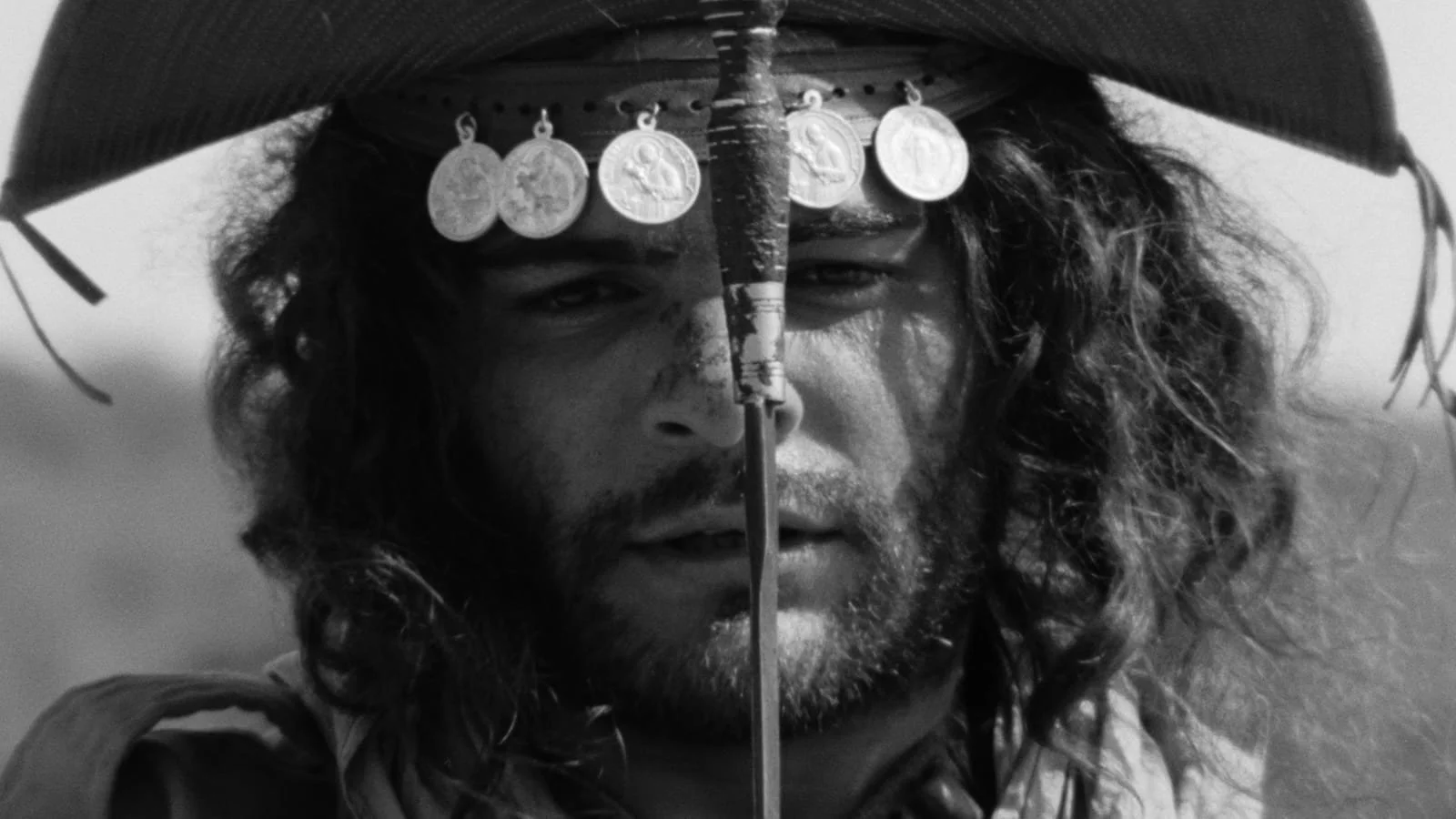
On the other hand, Glauber Rocha’s Black God, White Devil intrigues me not because of its production per se, but more due to its director, and the movement it helped to usher in. The film is an early entry to Brazil’s Cinema Novo movement aimed at a sort of decolonial takeover of Brazilian cinema. I haven’t watched any movies from this period of Brazil, but I find the subject matter and imagery of this movie super compelling. Decolonial, anti-authoritarian, and radical more than captures my chosen theme. For more context into many of the film’s elements, this essay by Fábio Andrade is a good read. After all my hemming and hawing, I’m taking the opportunity to include another international film here. So far, I have mostly encountered American (in the U.S.A. sense) films, so some variety in country of origin is welcome.
There are two films from the 1980s that I discovered also due to the Criterion Collection: The Ballad of Gregorio Cortez (1982) and Walker (1987). The Ballad of Gregorio Cortez sounds like a great film, and one that would be right at home in this year’s line up. A representative of the budding Chicano film movement, and shot with a documentarian flair “Olmos’s Gregorio Cortez represents a unique combination of traits for a western hero: strong yet sensitive, resourceful but caring, brave, passionate, and, when it comes to horses and family, emotional.” Charles Ramírez Berg goes into depth how innovative this film was when it was released in the early 1980s in this essay for Criterion (quoted above). Walker has a lot going for it too. First, Alex Cox’s prior film Repo Man (1984) is fantastic. Two, Walker was so political and violent that Universal studios, who spent $6,000,000 in production costs, refused to promote it. The politics that the studio found “upsetting” were critiques of the US supported intervention in Nicaragua in the 1850s and its parallels to the US intervention (the Contras) which happened contemporaneously with the film’s production in the 1980s. Additionally, during the 1999 Oscars, the star of the film Ed Harris, along with his wife Amy Madigan (Academy Award winner), openly showed disdain for Elia Kazan who was receiving an honorary Academy Award, by staying in their seats and not applauding. This was due to Kazan's naming of names before the House Un-American Activities Committee in 1952. Kazan’s actions resulted in his colleagues being blacklisted, for which Kazan never apologized. I stand with Ed, I mean sit in solidarity with Ed on this one. And if you want to read very intelligently written essays praising the artistry of this film, Linda Sandoval’s first hand account of the filmmaking process, and Graham Fuller’s film criticism have you covered.
At this point, I had eight films more-or-less selected. I began toying with the schedule and it was impossible to slot them all in without really truncating the breaks between movies, staring down the barrel of an intensely punishing viewing schedule, (the usual schedule is demanding enough), I had no choice but to cut one out. I ended up cutting The Power of the Dog (2021) as it was the longer of the two films directed by women (and the longest film I had selected), however this cut means there will be no 2020s representation. One thing I kept running into this year, is that many of the westerns I was most drawn to were over two hours long. Three movies were never really seriously considered because they were just too long:
The Assassination of Jesse James by the Coward Robert Ford (2007) 160 minutes
The Hateful Eight (2015) 188 minutes
Heaven’s Gate (1980) 217 minutes
Unfortunately, this penchant for longer films this year also means I was unable to include certain subgenres I was looking forward to slotting in. My first run-in with the Australian western was The Proposition (2005) by John Hillcoat; it is very good, and on the basis of its quality, I was looking at its genre-mates, Sweet Country (2017), The Tracker (2002), or The True History of the Kelly Gang (2019). The same goes for Asian Westerns also called Ramen Westerns (a term used to publicize 1985’s Tampopo), some that were in consideration were Thailand’s Tears of the Black Tiger (2000), Indonesia’s Marlina the Murderer in Four Acts (2017), South Korea’s The Good, the Bad and the Weird (2008) which stars Song Kang-ho (of Parasite (2019) fame), and Japan’s Sukiyaki Western Django (2007) directed by iconoclast Takashi Miike (Audition (1999), Ichi the Killer (2001)).
I had also hoped to include a horror or sci-fi western. I’ve mentioned Jordan Peele’s Nope (2022), but there’s also Bone Tomahawk (2015) directed by provocateur S. Craig Zahler. Sci-Fi Westerns were represented on the longlist by Westworld (1973), Mad Max (1979) - Australian, The Rover (2014) - also Australian, and Logan (2017).
One subgenre that you’ve probably noticed I haven’t mentioned is the Spaghetti Western. I decided to not include any since most people are familiar with the best and most famous example, the Dollars Trilogy and that famous Ennio Morricone theme, so I didn’t feel the need to include them.
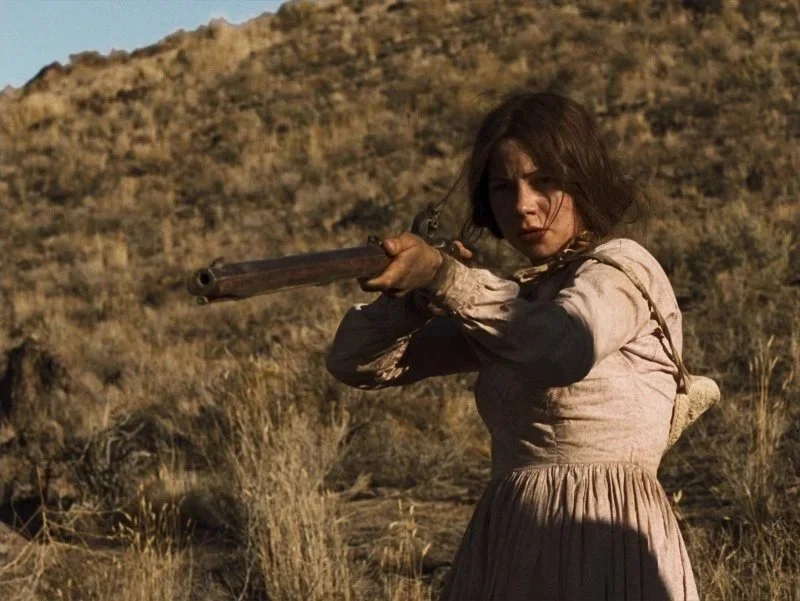
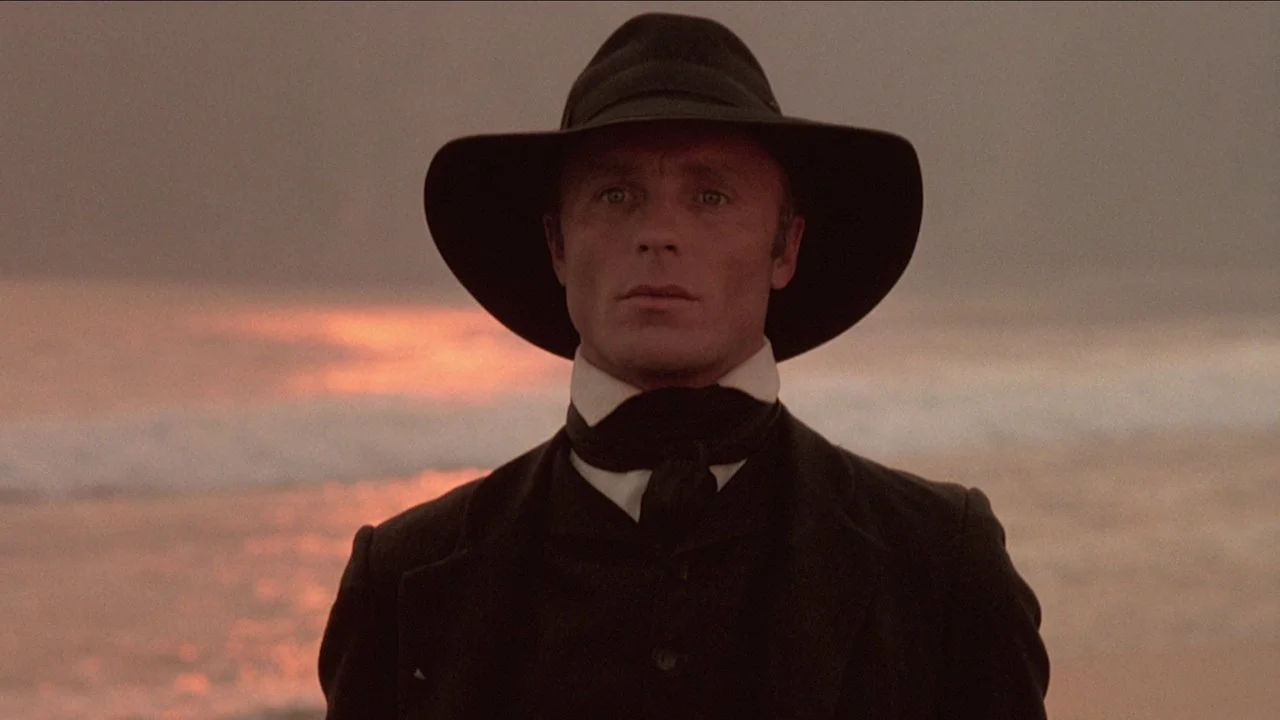
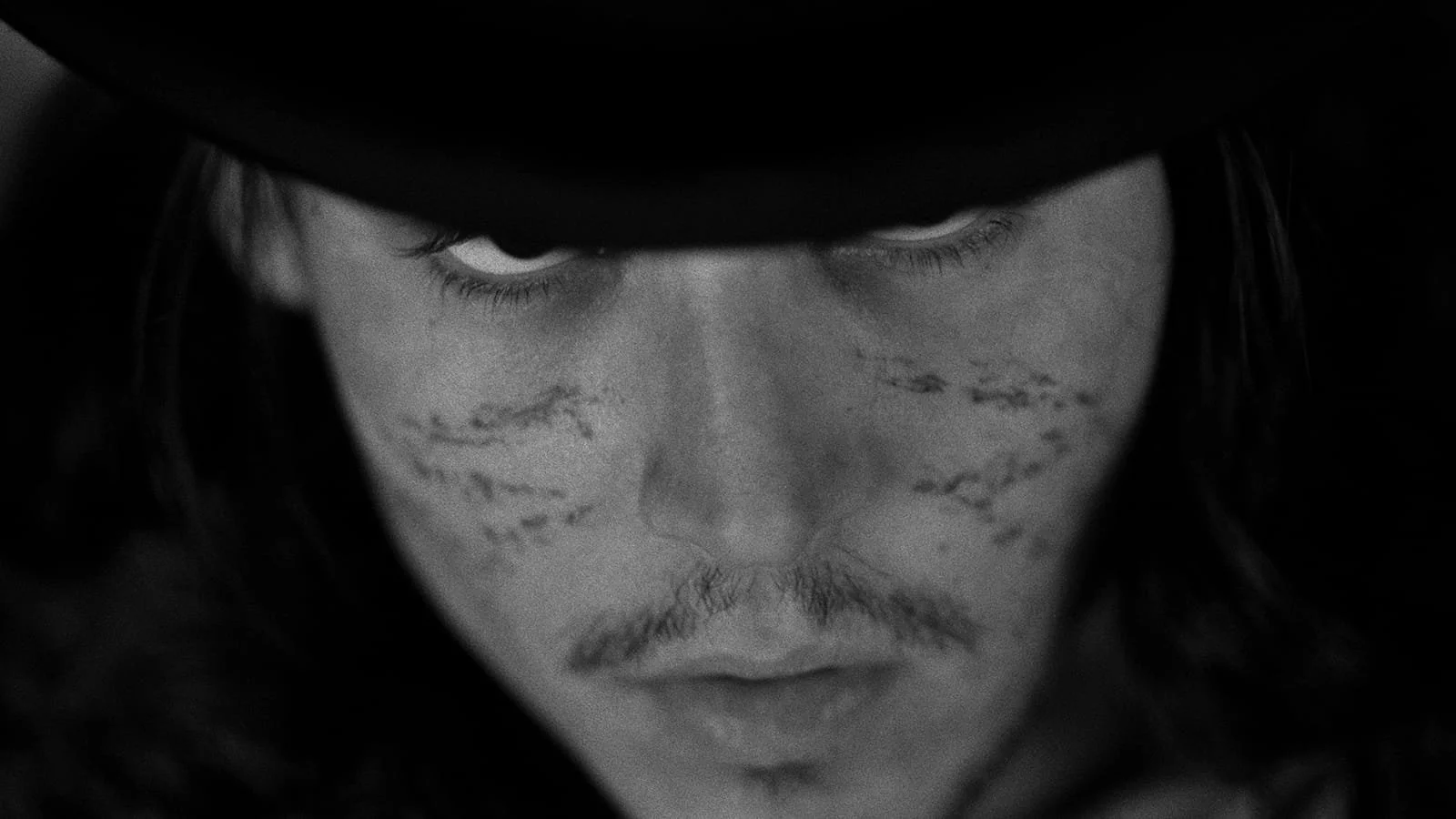
With all that in mind, the final lineup comes down to: the 1950 Western melodrama helmed by Anthony Mann and starring Barbara Stanwyck, The Furies; Alejandro Jodorowski’s 1970 surreal acid Western that kicked off the midnight movie, El Topo; the slow-burn realism of Kelly Reichardt’s 2010 film, Meek’s Cutoff, that subverts the feminine and the masculine; Sidney Poitier’s 1972 directorial debut, Buck and the Preacher, reclaiming the Western and the West from a history of whitewashing; Jim Jarmusch’s 1995 revisionist black-and-white Western, scored by Neil Young, Dead Man; Brazilian director Glauber Rocha’s anti-authoritarian existential Western Black God, White Devil from 1964; finally, Alex Cox’s 1987 biopic/political satire Western-in-disguise, Walker.
And if you want even more films to watch, all the movies mentioned in this essay and more can be found on my complete longlist on Letterboxd.